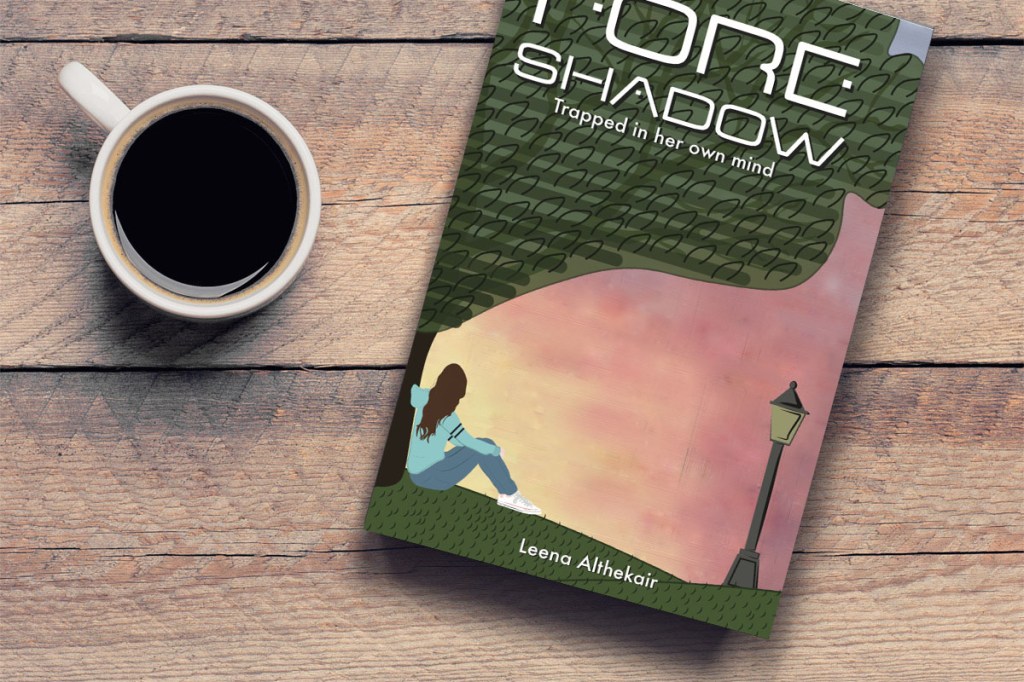
Most of the questions I see whenever I introduce myself as an author to someone for the first time or open my social media inbox is this: how did you manage to publish a book? Which, honestly, is a mammoth task to be given because how do i condense a year plus of work into a couple of messages?
So here it is – if you are curious to know about how Foreshadow came to be or would just like a little insight into the publishing world, here is how I published my baby … and let me specify I am referring to my book baby. I do not have a human baby.
(And before we go on, do check out Foreshadow on Amazon, as well as Kindle!)
Now, before I start, book publishing is a long, long process. I was so lucky I got to see my book in real life in about a year from when I wrote it. Most authors have to wait a year just to hear the reply from the publishing company, so don’t get too demoralized if your book takes ages to materialize. In the end, it will all be worth it.
1. Writing the Draft
The biggest mistake I committed as an ambitious 14-year-old was thinking that once I wrote down the book, I was done. I ended up changing lots of details over the course of the next six months because I didn’t bother to review my manuscript once I finished typing all 28 chapters. (Heck, I ever rewrote chapter 4 at some point.)
But then, as I read tens of articles about first-time publishing (we’ll get to this point later on) one sentence was particularly etched into my mind – “The first draft is just you telling yourself the story. You have to edit after that what nears ten times.” And they were right.
When writing the first draft, be ready for a third, fourth, and fifth one, too. Edit the story as much as you want, because when it’s in paperback, your hard work will have paid off.
2. Professional Editing
Don’t even think of skipping this step. Editing is a vital step in publishing. No matter how much you think you reviewed the book, your eyes tend to miss trivial mistakes such as your and you’re, because you read it around a gazillion times.
A second pair of eyes is always essential, because you will read your book the way you want it to be. I used FirstEditing, and frankly, they were marvelous. My editor provided insight that has been useful in countless ways. As well as spelling and grammar check, they make sure your story is at its best.
If you go with traditional publishing, there will likely be an in-house editor to do this job. if you’re self-publishing, however, it’s all up to you to find an editor whose style you like and whose price fits your budget. You could also enlist a few friends or acquaintances as beta readers for a little more insight, but only share your manuscript with people you truly trust.
3. Finding a Publisher
Publishing companies usually take 3-6 months to reply, and sometimes up to a year or two (or so I’ve heard.) Personally, publishing companies didn’t want to publish my book (because I was 14) so we went with the advice of a good friend of my dad’s and took the self-publishing route.
We published it via Kindle Direct Publishing (KDP), which enabled my book to be sold on Amazon and Kindle. Basically, self-publishing wins over publishing companies for one reason – you get all the income. (However, the production cost is significantly greater.) Publishing companies, however, do all the publicity for you and so you have a higher chance of being noticed. Which one to go with is entirely up to you either way.
4. Promoting Your Book
Once you settle on a publishing outlet, get the word out! Start building up a “fanbase”, or a buzz for your book. Gather anticipated readers. You have to start at least 6 months in advance. Not just finding, but hyping your audience takes time and is essential in your success.
Offer giveaways and find popular authors to read and review your book, like my good friend Peggy Mcaloon (author of Elle Burton and the Reflective Portals) has done. You need to let people know that “yes, I exist, and I’m going to publish a book”.
Another key to promotion is having a website and/or blog. Somewhere other than social media where people can find you. Post a little about yourself and a lot about your book. I found that people care less about who you are and more about what you have to offer.
5. Knowing What to Do
Read. Read all the articles you can get your hands on. I didn’t come to this step until after I sent my book for editing and wish I hadn’t, because there are so many little details and crucial steps I skipped. Read about self-publishing. Read about publishing with a company. Read about editing. Read about drafting. Read about story plots and help. Anything can be so useful. Articles, videos, author profiles; the internet is free! The more you read, the more you’ll learn from the experience of older and more experienced authors.
In the end, there’s a lot to do, but you have all the time to do it. If you’re on your way to publishing your next book, let me know and I’ll be glad to attend your signing session!

Leave a comment